
Protection from domestic abuse
Advice as to non-molestation orders and occupation orders.
What this covers
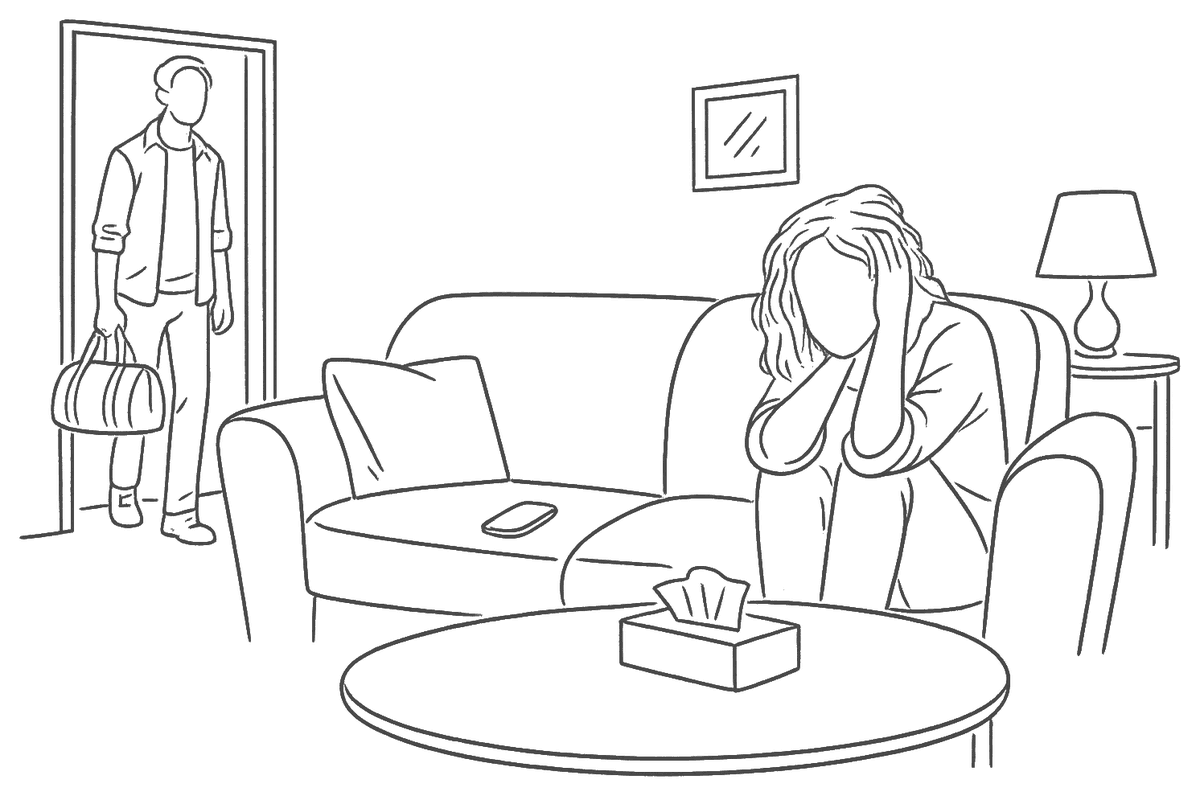
Where there has been abuse, the threat of harm, or harassment within a family or relationship, the family court can make protective orders quickly. Non-molestation orders prevent specific behaviours, including contact, threats, or coming near you. Occupation orders deal with who lives in or stays away from a particular home. Both can be applied for urgently, and in some circumstances without notice to the other person. Where you or someone close to you needs protection, we can act quickly and explain what each kind of order is designed to do.
Who we can help
- Anyone experiencing physical, emotional or controlling abuse
- Those with an ex-partner whose behaviour is escalating
- Those facing abuse from a family member, not just a current partner
- People in same-sex and all other relationships - the law applies equally
- Anyone worried, but unsure whether what's happening counts
Common protection from domestic abuse questions
How quickly can an order be granted?
In urgent cases an order can be granted very quickly - sometimes the same day. The family court takes safety applications seriously and is set up to act fast. A short-term order can be put in place without the other person being notified first, with a follow-up hearing in the days that follow.
Do I have to be married to apply?
You do not need to be married. Non-molestation and occupation orders are available to anyone in an 'associated' relationship. That includes spouses, civil partners, current and former cohabiting partners, fiancés, family members, and people who have been in an intimate relationship of significant duration. The law deliberately reaches beyond marriage.
What evidence do I need?
Whatever you have will help - messages, photographs, voicemails, police reference numbers, medical records, accounts of specific incidents with dates. The court does not expect a complete file - it expects a credible account, supported by what is available. We help you put it together.
Will the court hearing be public?
Family hearings of this kind are normally heard in private. The press has limited rights to attend in some circumstances, but the routine public access of, say, a criminal court does not apply. Your account is not laid out in public.
What happens to the children?
An order can include provisions to protect children directly, and arrangements for contact may be paused or reshaped whilst the situation is being dealt with. Children's welfare sits above everything else, and the court has a wide range of tools available to keep them safe.
What about housing - can I be made to leave my home?
An occupation order can require the abusive person to leave the home, even where the property is in their name, where the court considers it necessary to keep you and any children safe. The threshold is high but the order is real, and we can apply for one alongside a non-molestation order where appropriate.
Do you take legal aid for this?
We do not operate a legal aid practice - domestic abuse work through us is private-client only. Where your circumstances mean legal aid is the right route, we will be straightforward about that and point you to firms set up to take it. The Citizens Advice and Refuge helplines are also useful first steps.
Other ways we can help
Not sure where to start?
An introductory call of up to twenty minutes is free of charge - an opportunity to explain your position and feel reassured that we are the right fit.
Plain English. Confidential. No obligation.